

Metal ores are the primary source of many essential industrial metals and are widely used in construction, energy, transportation, and manufacturing industries.
Compared with common stone materials, metal ores are generally harder, more abrasive, and more demanding on equipment stability and wear resistance.
In metal mining projects, crushing is not only a size-reduction step, but also a critical stage that directly affects downstream grinding efficiency, recovery rate, and overall operating cost.

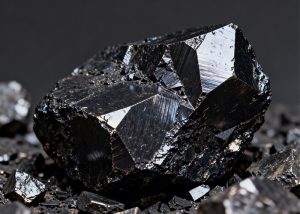
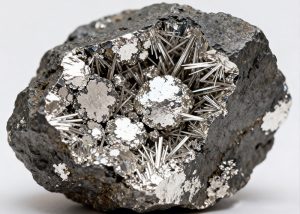
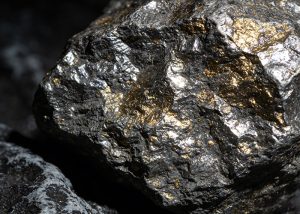
Metal Types We Work With
We have experience supporting crushing solutions for a wide range of metal ores, including:
- Iron ore
- Magnetite
- Hematite
- Copper ore
- Gold ore
- Lead-zinc ore
- Nickel ore
- Molybdenum ore
- Chromite
- Manganese ore
- Bauxite (aluminum ore)
- Tin ore
- Tungsten ore
- Silver ore
(The specific configuration depends on ore characteristics and project requirements.)
Common Characteristics of Metal Ore Processing
Although different metal ores vary in composition, most metal ore projects share several common characteristics:
- High hardness and abrasiveness, leading to increased wear on liners and structural components
- Continuous and long-term operation, requiring stable equipment performance
- Strict size control, to meet downstream grinding and beneficiation requirements
- Higher wear part consumption, making material selection and maintenance planning critical
Key Differences Between Metal Ores
Despite these similarities, certain metal ores present specific challenges:
- Iron and copper oresoften require high-capacity, stable crushing systems
- Nickel and chromite oresare typically more abrasive and demanding on wear resistance
- Gold and lead-zinc oresmay involve finer size control to improve recovery efficiency
Understanding these differences is essential for selecting appropriate crusher types, chamber designs, and wear materials.
Closing Summary
Metal ore crushing is not about using the strongest machine, but about matching equipment performance to ore behavior, operating conditions, and long-term production goals.