

Non-metallic ores are widely used in construction materials, chemical processing, cement production, glass manufacturing, and industrial fillers.
Unlike metal ores, their value usually lies in physical properties and chemical stability, rather than metal recovery.
In non-metallic ore projects, crushing focuses on shape control, size consistency, and production efficiency, while maintaining stable operation and low operating costs.
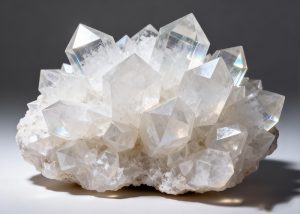
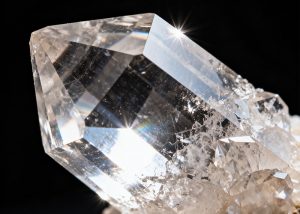
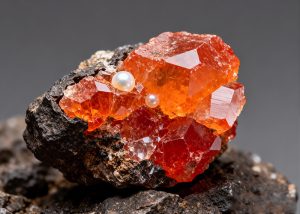
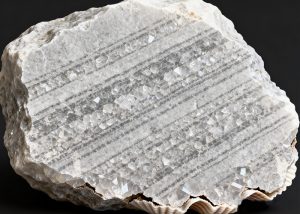
Non-Metallic Ore Types We Work With
We support crushing solutions for a broad range of non-metallic ores and industrial minerals, including:
- Limestone
- Dolomite
- Marble
- Quartz
- Quartzite
- Feldspar
- Granite
- Basalt
- Sandstone
- Gypsum
- Fluorite
- Phosphate rock
- Barite
- Talc
- Kaolin
(Final equipment selection depends on material hardness, abrasiveness, and end-use requirements.)
Common Characteristics of Non-Metallic Ore Processing
Most non-metallic ore projects share several typical features:
- Large production volumes, often for aggregate or industrial material supply
- High requirements for particle shape and gradation, especially for construction use
- Lower hardness compared to metal ores, but still demanding stable crushing performance
- Cost-sensitive operation, where efficiency and wear life strongly impact profitability
Differences Among Non-Metallic Ores
Even within non-metallic ores, material behavior can vary significantly:
- Limestone and dolomiteare commonly used for aggregates and cement, requiring high throughput
- Granite and basaltare harder and more abrasive, placing higher demands on wear parts
- Quartz and feldsparrequire careful control to reduce fines and maintain product quality
- Gypsum and talcare softer materials, where over-crushing must be avoided
Understanding these differences helps ensure stable production and consistent product quality.
Closing Summary
Non-metallic ore crushing is about balancing capacity, product shape, and operating cost—delivering material that meets application needs, not just size targets.