I. Product Definition and Core Advantages
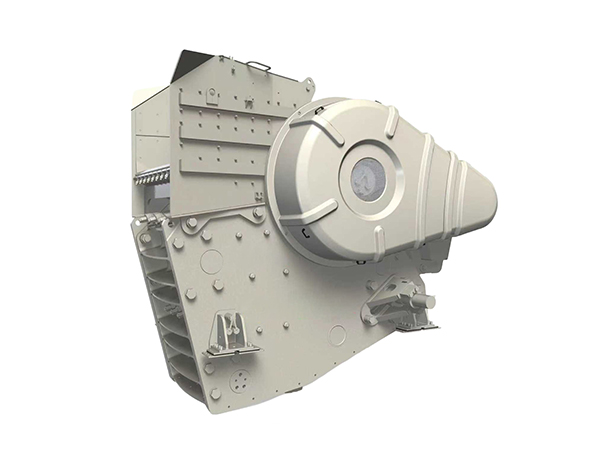
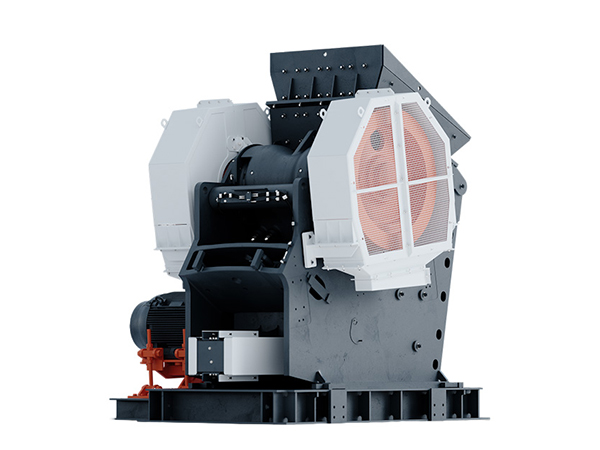
A stationary crusher is a heavy-duty industrial equipment installed on a fixed foundation for the continuous crushing of large materials. Its core advantages lie in its high crushing efficiency (up to hundreds of tons per hour per unit), large crushing ratio (feed size up to 1.5 meters or more), and strong operational stability, making it suitable for large-scale industrial production scenarios such as mining and building aggregate processing.

II. Main Structural Components
The equipment consists of five parts: a feeding system (vibrating feeder), a crushing system (jaw/cone crushing chamber), a transmission system (motor + pulley), a screening system (vibrating screen), and a control system (PLC control cabinet). Core crushing components are made of high-manganese steel, and bearings are imported precision components to ensure durability under high-load conditions.

III. Typical Application Areas
Widely used in metal mines (iron ore/copper ore crushing), non-metallic mineral processing (limestone/granite sand making), construction solid waste treatment (recycled concrete block aggregate), and large-scale water conservancy projects (dam body stone shaping). In sand and gravel aggregate production lines with an annual output of tens of millions of tons, it is often used as the core coarse crushing equipment to form a combined crushing process with cone crushers and impact crushers.