
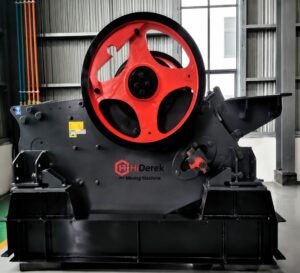
A jaw crusher and a cone crusher are rarely competing answers to the same first-break problem. The useful question is whether the material leaving the primary stage is ready for controlled reduction, or whether the circuit still needs a machine built to accept large, irregular rock. That handoff determines product consistency, screen load, and downtime far more clearly than a nameplate comparison.
The handoff between stages is the real comparison
Jaw crushers and cone crushers both apply compression, but they work at different points in the material journey. A jaw takes the uneven burden of run-of-mine rock and opens the circuit. A cone works best after the feed has become smaller and more predictable, where chamber loading and the closed-side setting can shape the result.
A jaw creates the feed envelope
Primary duty is where the jaw earns its place. Its open chamber accepts larger, uneven stones and reduces them into material that conveyors, screens, and downstream equipment can manage. In jaw crusher mining applications, the key output is not a finished product; it is a stable enough feed envelope for the next decision.
A cone controls the next reduction
Secondary reduction is where a hidrolik konik kırıcı becomes valuable. The chamber compresses pre-sized feed repeatedly as it moves downward, allowing the setting and cavity to support a defined product range. A cone is therefore less forgiving of oversize, sticky fines, and uneven loading, but more useful when a repeatable downstream product matters.
Four operating signals decide the second stage
The best circuit decision comes from the material and the product requirement together. The following signals separate a jaw-only coarse reduction route from a jaw-to-cone route without turning the choice into a generic equipment checklist.
| Operating signal | Jaw-led primary role | Cone-led second-stage role | What to confirm |
| Feed top size | Accepts large, irregular blasted rock | Needs controlled, pre-reduced feed | Largest pieces after primary crushing |
| Product target | Coarse material for the next process | Tighter gradation for aggregate or mill feed | Required screen cuts and oversize return |
| Feed condition | Can absorb variation at the front end | Benefits from even, distributed feed | Fines, moisture, and segregation |
| Wear and recovery | Jaw plates suit coarse break duty | Liners and hydraulics support controlled reduction | Planned change windows and tramp history |
Feed condition deserves special attention because it links every row in the table. The primary stage should remove the size problem; screening should remove or control fines where the process requires it; then the cone receives a feed distribution that lets its chamber work evenly. When those steps are skipped, capacity claims and liner life become difficult to reproduce.
Where single-cylinder and multi-cylinder cones diverge
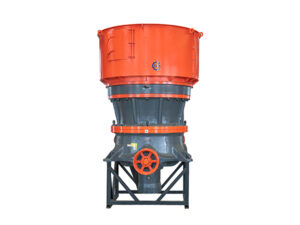
Once the second stage is justified, the cone type should follow the operating pressure of that stage. A tek silindirli hidrolik konik kırıcı is a focused option for secondary or tertiary duty that needs automated setting adjustment, liner-wear compensation, and protection from overload or tramp iron. Its value is practical: the plant can keep a defined setting as feed conditions change, rather than treating product size as a manual afterthought.
The single-cylinder case: controlled product change
A customized single-cylinder cone crusher makes sense when the feed, cavity, and discharge target need to work as one system. HiDerek Mining Machine offers eleven single-cylinder models and multiple cavity configurations, so the choice can follow the actual feed range and required product rather than forcing a nominally similar machine into the circuit.
The multi-cylinder case: recovery after disruption
A çok silindirli hidrolik konik kırıcı becomes more relevant where tramp material or a stalled chamber would create an expensive interruption. Bidirectional tramp release and hydraulic chamber clearing help the operator restore the crushing path after an upset. That is a reliability decision for demanding secondary or tertiary service, not a reason to over-specify every plant.
The screen tells you whether the crusher choice is working
A crusher selection should be checked at the screen, not only at the crusher discharge. The screen reveals whether the circuit is making too much oversize, carrying unhelpful fines, or returning a load that the next stage cannot absorb. Those observations often explain why a stationary cone crusher appears underproductive even when its motor and setting look correct.
A short operating record is usually enough to make the next adjustment meaningful:
- Record the primary discharge size distribution, including the largest recurring pieces.
- Track moisture, fines content, and any feed segregation before the cone.
- Compare screen return load and finished-product yield at the intended setting.
- Note tramp events and the time needed to restore stable chamber loading.
A deliberate second stage protects the finished product
The practical divide is simple. Use the jaw to accept and reduce the large, irregular burden; use the cone when that first reduction has produced feed that can be controlled into a tighter product. This sequence is common because each machine is solving a different physical problem, not because one is automatically better than the other.
That is where HiDerek Mining Machine can support the discussion as a source factory. Our core range centers on single-cylinder cone crushers, customized single-cylinder cone crushers, and multi-cylinder cone crushers. The useful starting point is the real jaw discharge, target gradation, screen arrangement, and interruption history, so the second stage is matched to the job it actually has to do.
The right choice is usually a well-matched pair
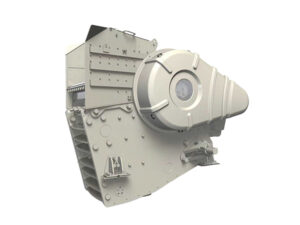
A jaw crusher is the better first answer for large, irregular feed; a cone crusher is the better follow-on answer when controlled reduction and stable gradation are required. Confirm the primary discharge and screen behavior before committing to the cone type. That turns a broad jaw-versus-cone debate into one defensible second-stage decision.
If the feed distribution and target screen cuts are available, send an mühendislik araştırması so the crushing path can be narrowed before model selection.
SSS
Can a jaw crusher replace a cone crusher?
A jaw can be enough when the required output remains coarse and the next process accepts that size range. It does not automatically replace a cone when the plant needs a tighter, more consistent product after primary reduction.
Can a cone crusher be used as the first crusher?
Only when the incoming material is already within the allowable cone feed range and the process is designed around that condition. Large, irregular blasted rock normally calls for a primary machine with a larger feed opening.
Why does even feeding matter to a cone crusher?
Even feeding keeps the chamber working around its full circumference. Segregated or starved feed can create uneven liner wear, variable gradation, and an unstable screen return load.
Does jaw crusher mining always need a screen before the cone?
The arrangement depends on the material and product target, but screening or scalping is often valuable when fines or oversize would disrupt the second stage. The point is to give the cone a controllable feed, not to add equipment by default.
When should a plant consider a multi-cylinder cone?
Consider it when the secondary or tertiary stage needs strong recovery capability after tramp events or chamber blockages, alongside controlled reduction. The final choice should still reflect feed size, cavity fit, desired product, and operating duty.