
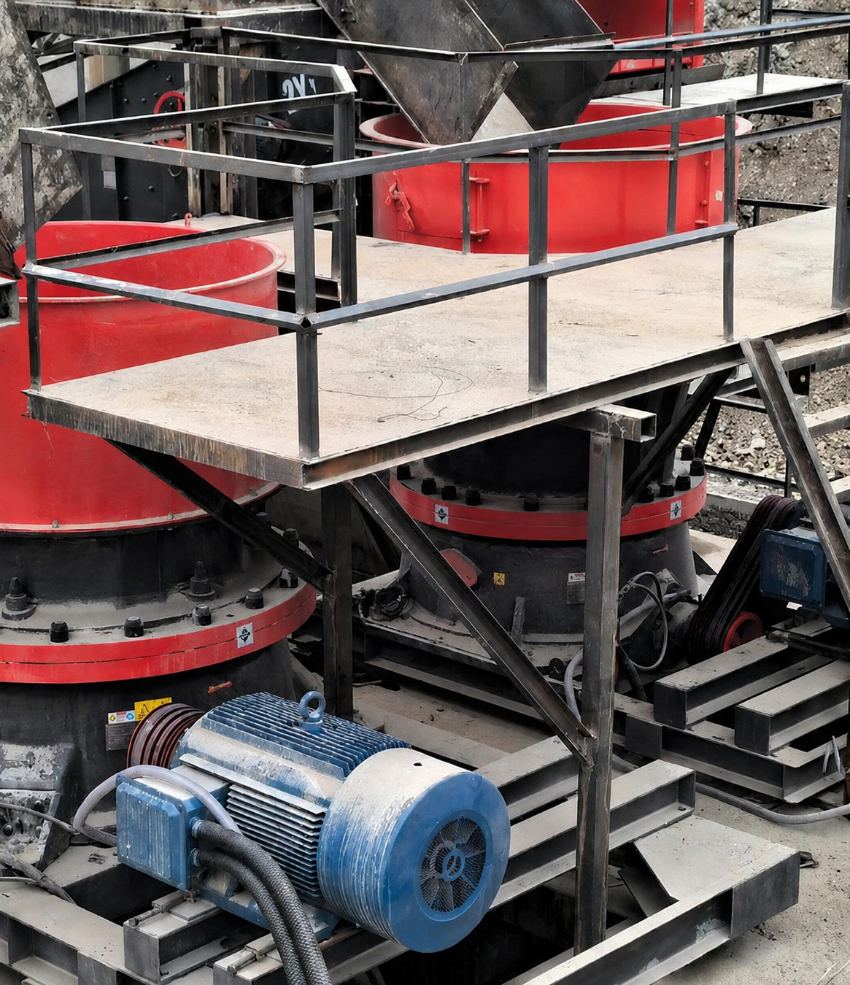
A fixed crushing site can lose money by buying mobility it does not need, just as a moving project can lose time by locking itself to a permanent layout. The better question is where the material, product target, maintenance access, and project life actually point. For many hard rock operations, that answer leads to a stationary cone crusher.
Project Life Changes the Equipment Logic
A stationary crusher makes sense when the deposit, stockpile area, power supply, and downstream users are expected to stay in one place. The value is not simply that the machine is heavy. The value is that the whole circuit can be arranged around stable flow instead of repeated relocation.
Portable and mobile equipment can be useful when the source moves, permitting favors temporary plants, or a contractor needs fast redeployment. A fixed cone line becomes more sensible when the site needs months or years of consistent aggregate or ore processing from the same material source.
A stationary crusher decision becomes clearer when several site facts point in the same direction:
- The deposit or feed source will remain within a practical haul distance.
- The product target needs repeated size checks instead of occasional rough crushing.
- The maintenance team can benefit from permanent access space around the crusher.
- The site can support stable power, conveyors, screening, and stockpile handling.
A long-running site rewards repeatability
Repeatability lets the team compare operating changes with less background noise. When the feeder, cone crusher, screen, return conveyor, and stockpile arrangement stay fixed, product shifts are easier to trace to feed, chamber, setting, or liner condition.
A short project rewards mobility
Mobility has a real place when transportation distance changes faster than the equipment can pay back a fixed foundation. In that situation, the plant may accept lower layout permanence because moving closer to the rock or job site creates the larger saving.
Stable Flow Is the Main Reason to Stay Fixed
A fixed layout helps the cone crusher receive material in a controlled way. Hard rock crushing is sensitive to feed distribution, fines content, moisture, and discharge space, so a steady arrangement can make the same crusher behave more predictably over time.
The stationary cone role is usually strongest in secondary or tertiary stages, where product size and shape are being refined. Once the upstream jaw or gyratory stage has reduced the rock, the cone can focus on controlled compression rather than handling every oversized disturbance.
| Site signal | What it suggests | Practical implication | Cone line response |
| Fixed deposit | Material source will not move soon | Foundation investment is easier to justify | Design around stable conveyors and screens |
| Tight product spec | Shape and gradation matter daily | Process control becomes more valuable | Hold CSS, cavity, and screen cuts together |
| Rising tonnage target | The plant needs room to expand | Layout planning matters early | Reserve space for feeders, return belts, and service |
| Frequent relocation | Work shifts between sites | Mobility may matter more | Consider portable or mobile equipment first |
This comparison keeps the stationary crusher decision focused on the operating problem. A stationary line is not automatically better; it is better when its permanence helps protect product consistency, service access, and material flow.
The Cone Crusher Choice Still Depends on the Product
A fixed plant still needs the right cone crusher, because permanence cannot compensate for a mismatched cavity or control method. The product target should shape the chamber, CSS range, motor power, and maintenance plan before the plant layout becomes final.
Single-cylinder models fit controlled configuration work
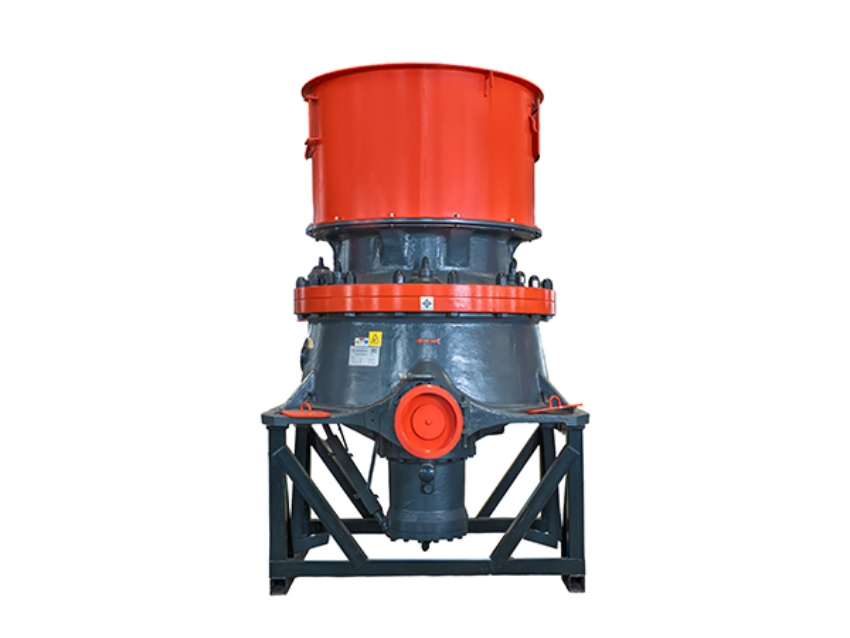
A customized single cylinder cone crusher can be appropriate when the plant needs a compact hydraulic cone with tailored cavity choices. HiDerek Mining Machine’s HD Series supports multiple models, many cavity configurations, PLC hydraulic CSS adjustment, liner-wear compensation, and automatic overload protection.
Multi-cylinder models fit recovery-sensitive lines
A multi cylinder hydraulic cone crusher can suit plants where tramp events, chamber clearing, and liner work have a strong effect on uptime. HiDerek Mining Machine’s HD-Multi Series combines tramp release, hydraulic clearing, motor-driven adjustment, and liner retention details intended to shorten difficult recovery tasks.
A single cylinder cone crusher customized around a specific feed and product goal can also reduce unnecessary plant compromise. That decision belongs beside the screen, conveyor, and service-space plan, because a fixed site locks these relationships into daily production.
Both choices can belong in cone crushers for mining and construction when they are tied to the same product question. The issue is not which name sounds stronger, but which design keeps the target product stable under the site’s real feed and maintenance conditions.
Maintenance Access Should Be Decided Early
A stationary layout should give maintenance the space it needs before the first serious liner change. Clearance for main components, safe access around the crusher, and room for lifting or service tools are easier to build into the foundation plan than to recover after production starts.
This is where a source factory can add practical value without turning the article into a sales conversation. HiDerek Mining Machine can help align single-cylinder cone crushers, customized single-cylinder cone crushers, and multi-cylinder cone crushers with feed conditions, product size goals, and site access limits before a fixed line is built.
The benefits of rock crushers in aggregate production are clearest when the plant protects the sellable fraction instead of only increasing raw throughput. For a fixed cone line, that means keeping reduction, screening, return load, and service planning inside one operating picture.
A Practical Takeaway for Fixed Sites
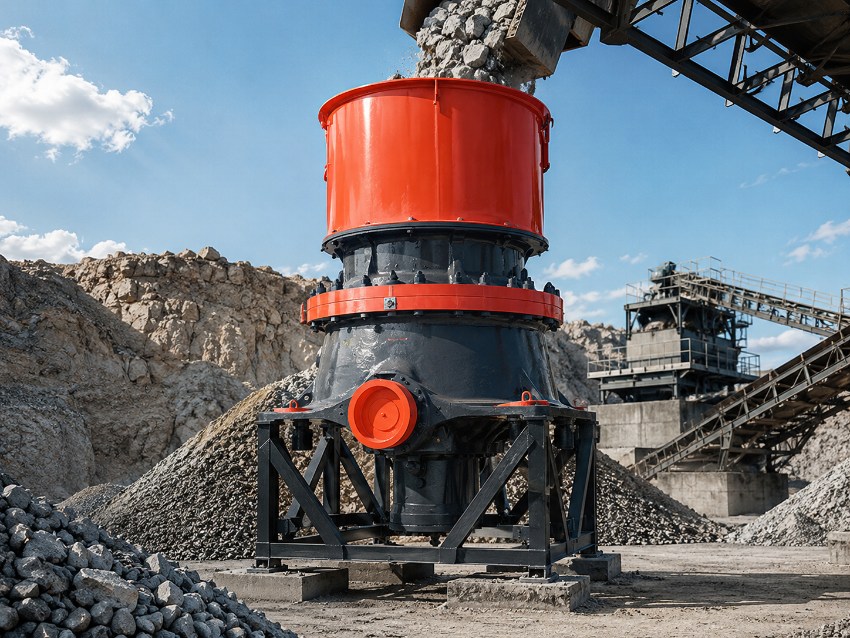
A stationary cone crusher fits the job when permanence helps the plant control flow, gradation, shape, access, and long-term cost per ton. The next decision is not simply fixed versus mobile. It is whether the site’s production life, material path, and product target are stable enough for a fixed cone circuit to earn its place.
For a quarry or mining site with a clear hard rock feed and stable output goal, the most useful early conversation is about material, target product, chamber choice, and maintenance space rather than a general equipment list.
FAQ
Is a stationary cone crusher better than a mobile crusher?
It is better only when the site is fixed, the production period is long enough, and stable output matters more than relocation speed. Mobile or portable equipment can be smarter when the work moves often.
What product targets suit a fixed cone crusher line?
A fixed cone line suits projects that need consistent secondary or tertiary reduction, controlled aggregate shape, and repeatable screen return. The exact target should guide cavity and CSS selection.
Why does feed stability matter in a stationary plant?
Stable feed helps the cone maintain chamber level, liner use, and predictable product size. Uneven feed can create power peaks, poor shape, uneven wear, and unnecessary screen return.
When should a site consider a customized single-cylinder option?
A customized single-cylinder option is worth reviewing when the feed size, product size, site space, or automation requirement does not fit a standard cavity choice neatly.
What should be checked before planning the foundation?
Check feed path, crusher clearance, discharge space, screen return, lifting access, power arrangement, and future expansion. These decisions affect daily production long after installation.