
Introduction
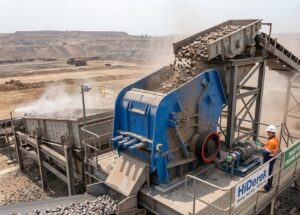
Current power needs in mineral processing are changing how site managers look at a stationary impact crusher within a big production line. In the metal ore mining industry, the drop in ore quality means plants must handle more rock. At the same time, they must keep a close eye on running costs and carbon emissions. This trend has put power usage at the heart of every choice. It is especially vital when picking a stationary crusher for non-stop work.
In real-world mines, success is not just about total tons anymore. Instead, experts measure how well each kilowatt of electricity turns into smaller rocks. This is why modern industrial rock crusher systems now feature better drive units and smarter chamber shapes. Based on our work at HiDerek Mining Machine, saving energy is now a primary goal. It is no longer just a minor detail on a spec sheet.
How a stationary impact crusher improves low-grade ore processing
In modern stationary crushing systems, different crushing stages are configured using cone, gyratory, or impact-based technologies depending on ore characteristics and required output size. Different crushing technologies apply either compression or impact principles to achieve controlled ore size reduction depending on material hardness and feed distribution conditions. Such a process is very helpful in the metal ore mining industry because it helps separate minerals more effectively.
In a fixed setup, the stationary crusher sits within a permanent frame. This allows it to work perfectly with feeders, screens, and belts. This layout makes the whole process steady and prevents power spikes. A well-set stationary crusher stops the machine from breaking the same rock twice. This ensures every bit of energy goes into crushing rather than being wasted on extra cycles.
What design factors influence energy consumption in industrial rock crusher systems
Several mechanical parts affect how much power an industrial rock crusher uses. The speed of the rotor and the angle of the plates matter a lot. Also, how the rock enters the machine and the shape of the inside chamber change the results. If the feed is not steady, the machine works harder than it needs to. This causes “idle” waste and lowers the overall output quality.
The state of the metal parts also changes how much power is needed. As the hitting surfaces wear down, they do not transfer energy as well. This means the motor must pull more current to do the same job. In the metal ore mining industry, these small losses add up over months. To fix this, many plants use smart sensors and better upkeep plans to keep power use steady.
Stationary crusher configuration and performance comparison
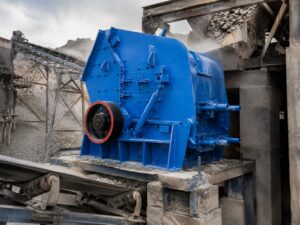
Managers choose different stationary crusher setups based on how hard the rock is and the final size they need. While a stationary impact crusher is best for shaping, other tools like cone or gyratory units are often used in the same line.
The table below shows how different stationary crusher types behave in a real work setting.
| Crusher Type | Application Stage | Energy Behavior | Output Characteristics | Operational Focus |
| Stationary impact crusher | Primary / secondary reduction | Medium to high energy transfer efficiency depending on feed control | Cubical particle shape, good liberation performance | Selective crushing and shaping |
| Stationary crusher (cone system) | Secondary / tertiary crushing | Stable energy consumption with compression-based efficiency | Fine and consistent particle size | High precision gradation control |
| Industrial rock crusher (heavy duty gyratory) | Primary crushing in large mines | High total energy input with continuous operation efficiency | Very coarse reduction, high throughput | Bulk material handling efficiency |
Data from the HD Series at HiDerek Mining Machine shows that these systems focus on easy upkeep. For example, large gyratory units are built with extra space for cranes. This ensures that when the machine stops for repairs, it gets back to work quickly. Reducing downtime is another way to stop energy waste.
Why system integration matters more than isolated crusher efficiency
Modern mines do not just look at one machine at a time. They view the whole plant as one big energy network. A stationary impact crusher must work in sync with the feeders and screens. If one part of the line is slow or messy, energy waste travels through the whole system. This can ruin the efficiency of the entire site.
When dealing with low-grade ore, this teamwork is even more vital. Changes in how hard or wet the rock is can change how the machine acts. A balanced stationary crusher setup handles these changes well. It keeps the flow of rock smooth and stops the motor from hitting peak loads. This balance saves a lot of electricity across the whole plant.
What future trends are shaping stationary impact crusher development
The next generation of stationary impact crusher design relies on computers and automation. New control systems can change rotor speeds or feed rates on the fly. They track power use every second. These tools help the machine stay in the “sweet spot” for efficiency, even if the rocks coming from the pit change suddenly.
We are also seeing new parts that adjust themselves as they wear out. This keeps the energy use flat over the life of the part, rather than letting it get worse as the metal gets thin. In the metal ore mining industry, these smart updates are setting new records for how little power is needed to process ore.
Conclusion
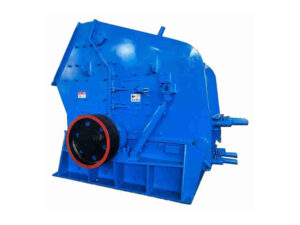
Power efficiency is now the main reason why companies pick specific tools for mining. When processing low-grade ore, plants must move more material to find the same amount of metal. In this world, a stationary impact crusher does more than just break rocks. It helps control the total cost of the business and the health of the environment. High-quality industrial rock crusher designs and linked stationary crusher units are now the keys to a successful mining business.
FAQ
How does HiDerek Mining Machine’s stationary impact crusher improve energy efficiency?
A stationary crushing system from HiDerek Mining Machine is designed to maintain stable material reduction flow, reducing unnecessary reprocessing and helping improve overall energy efficiency in mining operations.
What is the maintenance requirement for a stationary impact crusher in continuous mining operations?
Maintenance focuses on the rotor and the wear plates. Regular checks are needed to make sure the machine stays efficient and does not waste electricity.
Can a stationary crusher handle low-grade ore with variable hardness?
Yes. A well-built stationary crusher can handle different types of rock by keeping the feed steady and using the right amount of force.
How does a crusher machine for sale impact long-term operational cost?
When you buy a crusher machine for sale, the real cost is the power and parts it uses over many years. Efficient models pay for themselves by lowering monthly bills.
What is the difference between a stationary impact crusher and other industrial rock crusher systems?
A stationary impact crusher uses fast hits to break rock into specific shapes. Other industrial rock crusher types might use heavy pressure or a circular grinding motion for bulk work.