
Introduction
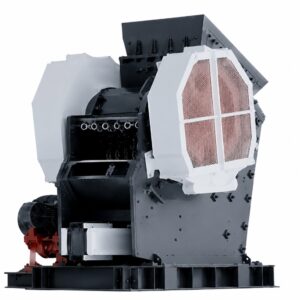
People buying gear for mining and aggregate work no longer look at rated capacity alone. True worth comes from cutting the cost for every ton produced. It involves steady feed management, safer upkeep, and a better fit between each industrial crusher machine and the flow of rocks. Smart rock crusher selection determines if a plant runs well or wastes money on extra crushing, worn liners, and sudden breaks.
Why Does Rock Crusher Selection Matter?
A jaw-type rock crusher is often the top pick for big rocks and the first stage of breaking. A cone crusher machine works better for the second or third stages. It handles compression well, where exact size and CSS settings are vital. An impact rock crusher is great when the shape of the stones and the quality of the sand matter more than dealing with very scratchy material. A gyratory crusher is built for massive primary work, especially in big mines that need to keep moving constantly.
The current gyratory crushers market focuses on high speed, smart tech, and stopping delays. For example, the HD coarse gyratory model monitors oil temperature, flow rate, pressure, load, and vibration. Its revolving frame technology and hydraulic separation design can reduce scheduled downtime by up to 70%.
How Does Each Stone Crusher Machine Fit the Circuit?
You should pick a stone crusher machine based on the crushing stage rather than just the price tag. Looking at real setups, we see plans for 2000 t/h down to 500 t/h. These plans show that the first break, the second break, the shaping, and the moving must all work as one group. They are not just single tools sitting alone.
| Crusher type | Typical role | Key technical focus | Suitable material logic |
| Jaw type rock crusher | Primary crushing | Large feed opening, strong compression | Hard rock, coarse stone, mine feed |
| Gyratory crusher | High-capacity primary crushing | Continuous crushing, automation, large discharge planning | Large mines and high-volume ore lines |
| Cone crusher machine | Secondary and tertiary crushing | CSS control, chamber matching, liner wear control | Hard and medium-hard rock with size control needs |
| Impact rock crusher | Shaping and sand making | Rotor type, stone-on-stone or stone-on-iron crushing | Cubical aggregate, manufactured sand, lower to medium hardness feed |
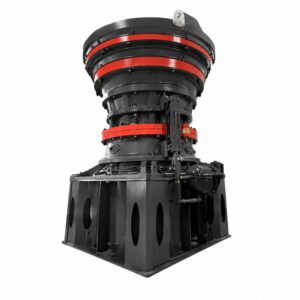
How Does a Cone Crusher Machine Control Output?
A cone crusher machine manages what comes out by using its inner chamber shape and moving parts. The HD single-cylinder model uses a hydraulic system to fix settings automatically. It protects the unit from uncrushable metal and adjusts for worn parts. With 11 models and 54 different cavity shapes, engineers can match the machine to the exact size and speed they need.
This is vital because a cone crusher machine often carries the main cost of the plant. If the rocks coming in are messy, too wet, or full of dust, the machine fails to work right. This leads to bad stone sizes and wears out the liners too fast. Thus, good rock crusher selection requires knowing the rock moisture and weight before you buy.
What Are the Benefits of On-Site Rock Crushing?
The benefits of on-site rock crushing are very practical. Doing the work right where the rocks are found cuts down on truck trips and lessens double handling. It makes projects move faster. It also lets workers turn dug-up stone into useful base material right away. For those running a quarry, it helps them control the rock quality before it ever hits the main industrial crusher machine.
Even so, this only works if the stone crusher machine fits the space and power available. A small, moving setup might use a jaw type rock crusher followed by a cone crusher machine. A permanent plant might use a gyratory crusher to start and then use other units for shaping.
Why Do Installation Details Affect Crusher ROI?
Many people forget about the space needed for setup, but this changes how much repairs cost later. A gyratory crusher needs enough room to pull out the main shaft and move the heavy parts. You also need a big enough bin under it so that trucks don’t have to wait. If the bin is too small, the whole flow stops.
For any big industrial crusher machine, these small facts decide if fixes are easy or dangerous. A machine that is hard to reach will always cost more over its life, even if it crushes a lot of rock.
How Should Buyers Compare Crusher Specifications?
Do not trust capacity charts blindly. Most gyratory crusher numbers assume the rock has a certain weight and the machine is set a specific way. The real amount you can crush depends on how hard the rock is, how wet it is, and how you drop it into the machine.
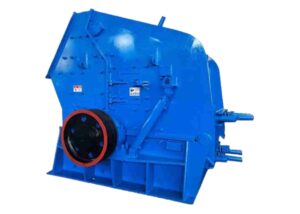
For making perfect shapes, the RL vertical shaft impact rock crusher is a strong choice. Models like the RL-6000 and RL-11000 cover different capacities and motor power ranges for shaping applications. They all work best with rocks smaller than 40 mm.
Conclusion
Building a strong plant means matching the machine to the site and the rock. The right cone crusher machine keeps the sizes steady. The right jaw-type rock crusher handles the big initial heavy lifting. Also, the right impact rock crusher makes the stones look better for buyers. In the gyratory crushers market, the focus is now on safety and smart controls. To get the best setup, share your rock details and goals with HiDerek Mining Machine for a professional plan.
FAQ
How much does a cone crusher machine cost for a quarry project?
The price changes based on size, power, and tech features. To get a real price, you must know your rock hardness and the final size you want to sell.
How do I choose a stone crusher machine for hard rock?
Look at the rock size first. Very hard, big stones usually need a jaw type rock crusher at the start, followed by a cone crusher machine.
What is the difference between a jaw-type rock crusher and a cone crusher machine?
A jaw-type rock crusher is for the first big break. A cone crusher machine is for the next steps to make the rocks smaller and more uniform.
When should I use an impact rock crusher in an aggregate plant?
Pick an impact rock crusher if you need stones that are shaped like cubes or if you are making sand. Just watch out for very abrasive rocks that eat up parts.
What information is needed for accurate rock crusher selection?
You need to know the rock type, how hard it is, the feed size, your goal for tons per hour, and the space you have on your site.